
Why most MVPs do not ship
Four reasons we have seen, and what we do differently.
Code is the smallest part of going live
A working app still needs hosting, CI/CD, monitoring, SEO, security and a way to take money. Founders discover this after the code is done, when the budget is gone. We price and plan the whole infrastructure with you, so the product you pay for is the product that is live.
Your AI-built prototype breaks with real users
Tools like Claude, Codex get you a clickable build fast, glued across Vercel, Supabase or Firebase. Then real users arrive with bad data, concurrent requests and payment disputes, and the prototype falls over. We keep what works and rebuild the foundations: data model, auth, payments and security.
Week three and the scope is double what it was
It always is, because every conversation adds one more feature. We write down what is out of scope and defend it, which is why the thing ships. Less technical teams feel this most, so our scope is written in plain language before any code.
Nobody thinks about security until money moves
A prototype skips the boring parts: who can see what, how payments reconcile, what happens when something is abused. We handle auth, payments, abuse checks and backups from the first version, so your dream going live does not become the week everything leaks.
What you get
Everything around the code, as well as the code.

A written scope, before any code
What it does, what it leaves out, and what each part costs.

Your prototype, made production-ready
Built with AI or from scratch, hardened with real auth and data.

Hosting and CI/CD you own
Deploys, monitoring and accounts in your name from day one.

Security done properly
Auth, payments and data protected the way real users require.

Found on Google, ready to market
SEO structure and analytics so launch means being found.

A handover and support
Documentation, a walkthrough, and fast help after launch.
How we build it
The same build behind every product we ship. An MVP is smaller, not different.
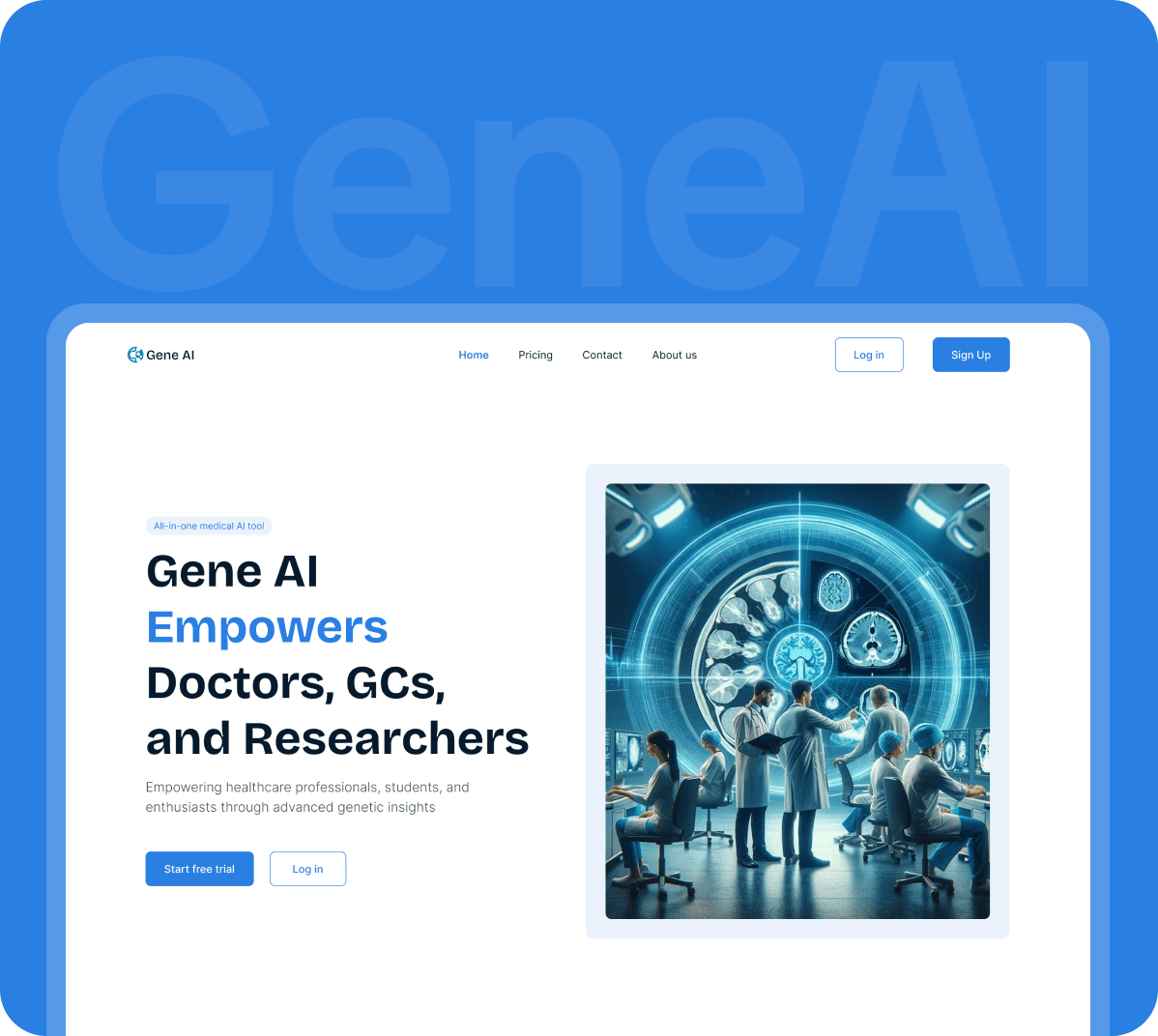
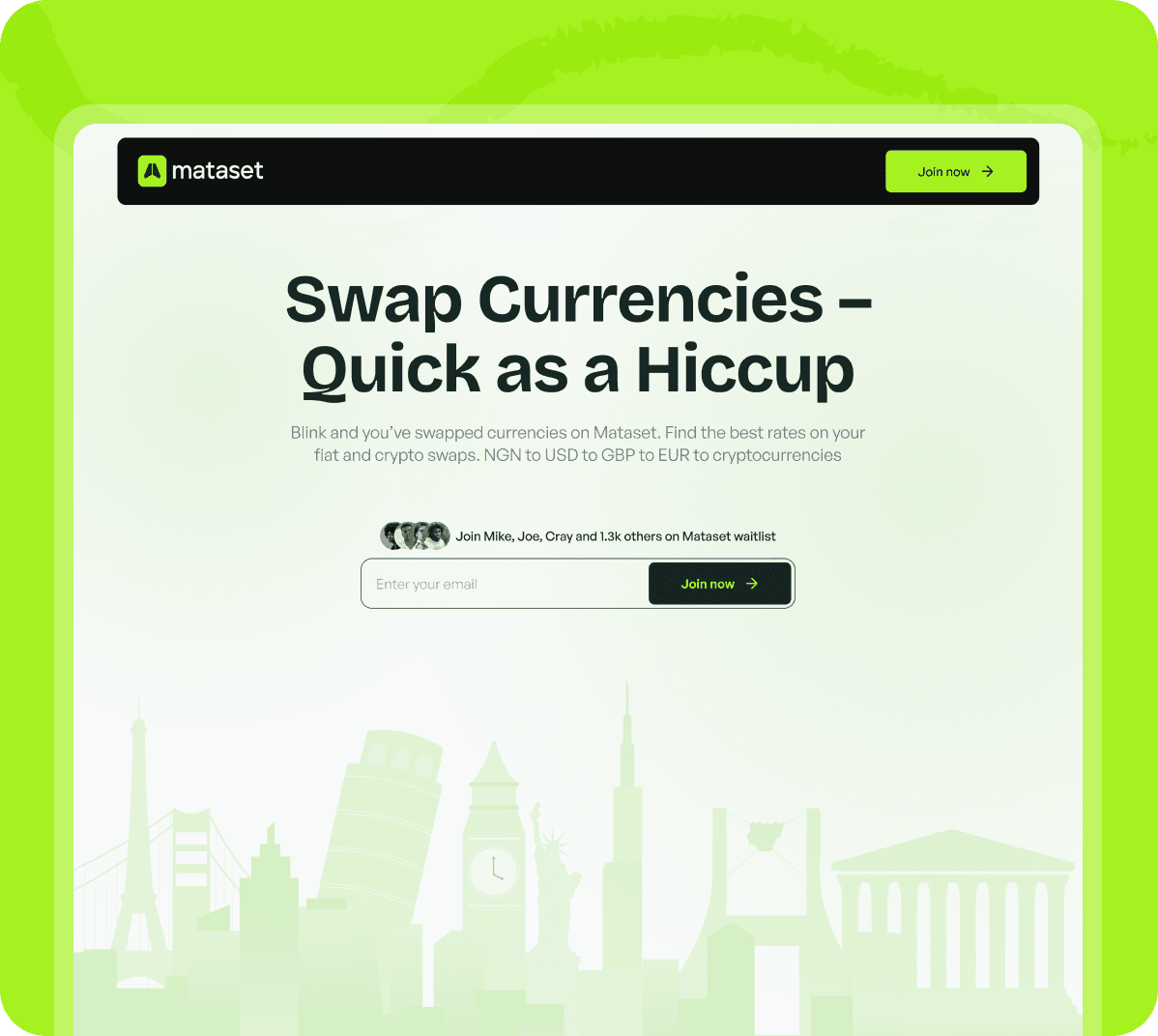
See this work in practice
Products that started as an idea and had to survive real users.
Questions founders ask
The ones worth asking before you sign anything.
How long does an MVP take?
Four to eight weeks for a first working version, depending on custom logic.
How much does an MVP cost in Nigeria?
We price per scope, and the scope is written down before we quote.
I built a prototype with AI. Can you take it live?
Yes. Bring your Claude, Vercel, Supabase or Firebase build. We audit it, keep what works, and harden the rest for real users.
We are not technical. How do we work together?
In plain language. Written scope, fixed price, weekly demos you can click, and a walkthrough at handover.
What do I get at the end?
A deployed product on your infrastructure, the repository, documentation and a walkthrough, plus support after launch.
Do you sign an NDA?
Yes, before we see anything. The repository is private from the first commit.
Other things we build
Tell us what you are trying to run
We will look at how an MVP works in your business and tell you what it would take, before anyone talks about a quote.