
Where online stores lose money
The four failures behind crashed sales and lost orders.
Your site crashes during a sale
A large audience from Instagram, TikTok and ads can arrive within minutes, and most websites fall over at that exact moment. Every failed checkout is lost revenue disguised as success. We engineer for the spike with fast pages and a checkout that stays up, so the crowd turns into orders instead of complaints.
You sell the last item twice
When stock is not controlled in one place, two customers can pay for the last unit and you end up refunding one in embarrassment. We claim stock at order, release it if payment fails, and keep your shop, website and WhatsApp on one number, so sold out means sold out.
Shoppers must DM you to buy
Most stores use one generic template, so customers cannot select options clearly and abandon the page to message you. We design selection around how your products are actually bought, with fast pages that let a visitor complete the order alone.
Checkout looks untrustworthy
Shoppers decide in seconds whether checkout feels safe, and an unfamiliar payment option ends the sale. We use recognised methods for each market: bank transfer with Paystack, Flutterwave or Bachs in Nigeria, mobile money across Africa, and Stripe for global buyers.
What you get
Built for flash sales in Nigeria and Africa, not just catalogue pages.

Stays online in flash sales
Handles crowds from Instagram, TikTok and ads without crashing.

Stock that cannot oversell
Stock is claimed at order and released if payment fails.

Variants that match your products
Sizes, colours, packages and add-ons, arranged the way your market buys.

Checkout buyers trust
Paystack, Flutterwave, Bachs, bank transfer, mobile money and Stripe.

Delivery priced by location
Charges by state and LGA, with free thresholds and pickup.

A store that sells itself
Fast pages, clear offers and WhatsApp follow-up for repeats.
How we build it
Design, engineering and follow-up that turn visits into orders.
See this work in practice
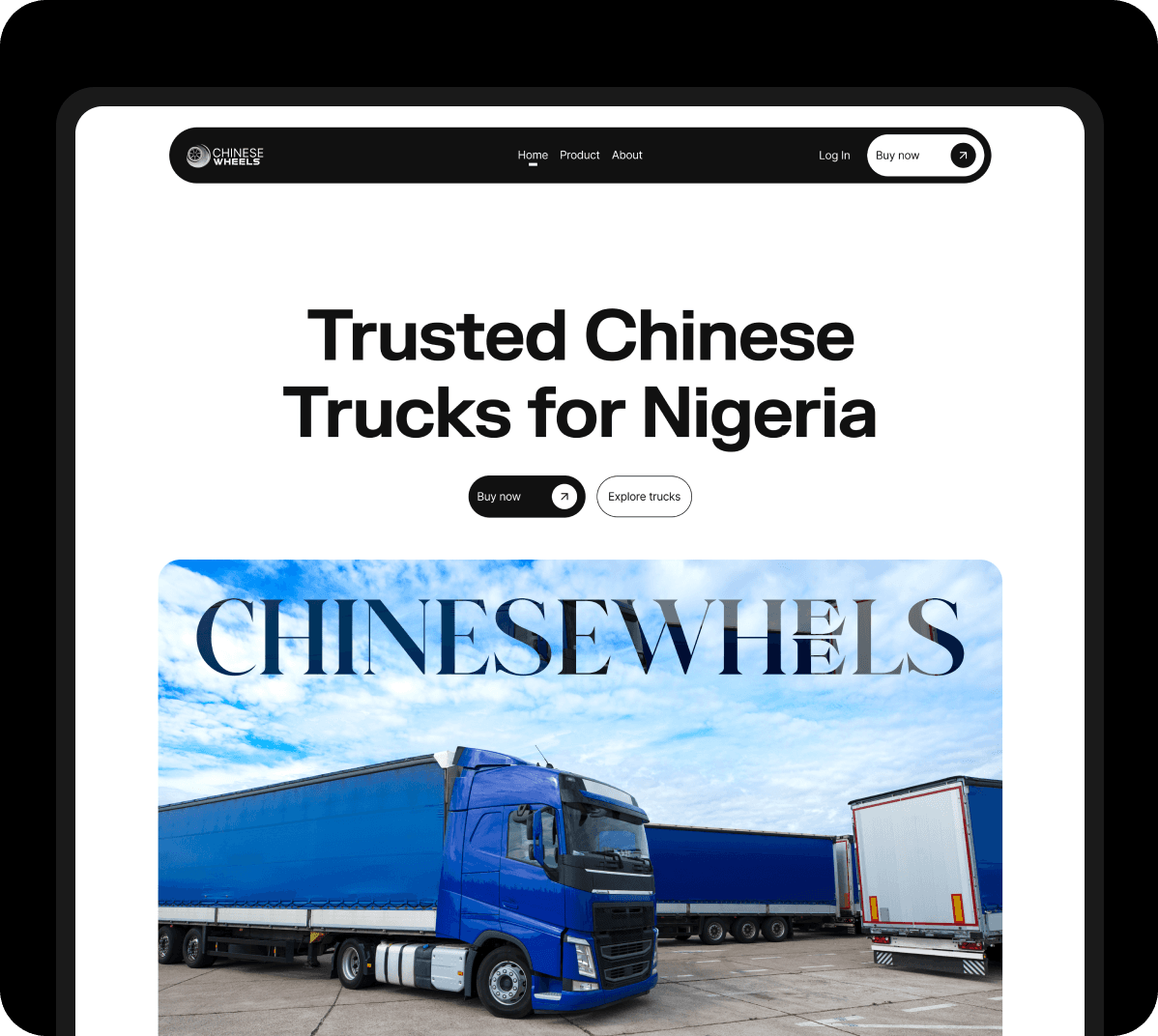
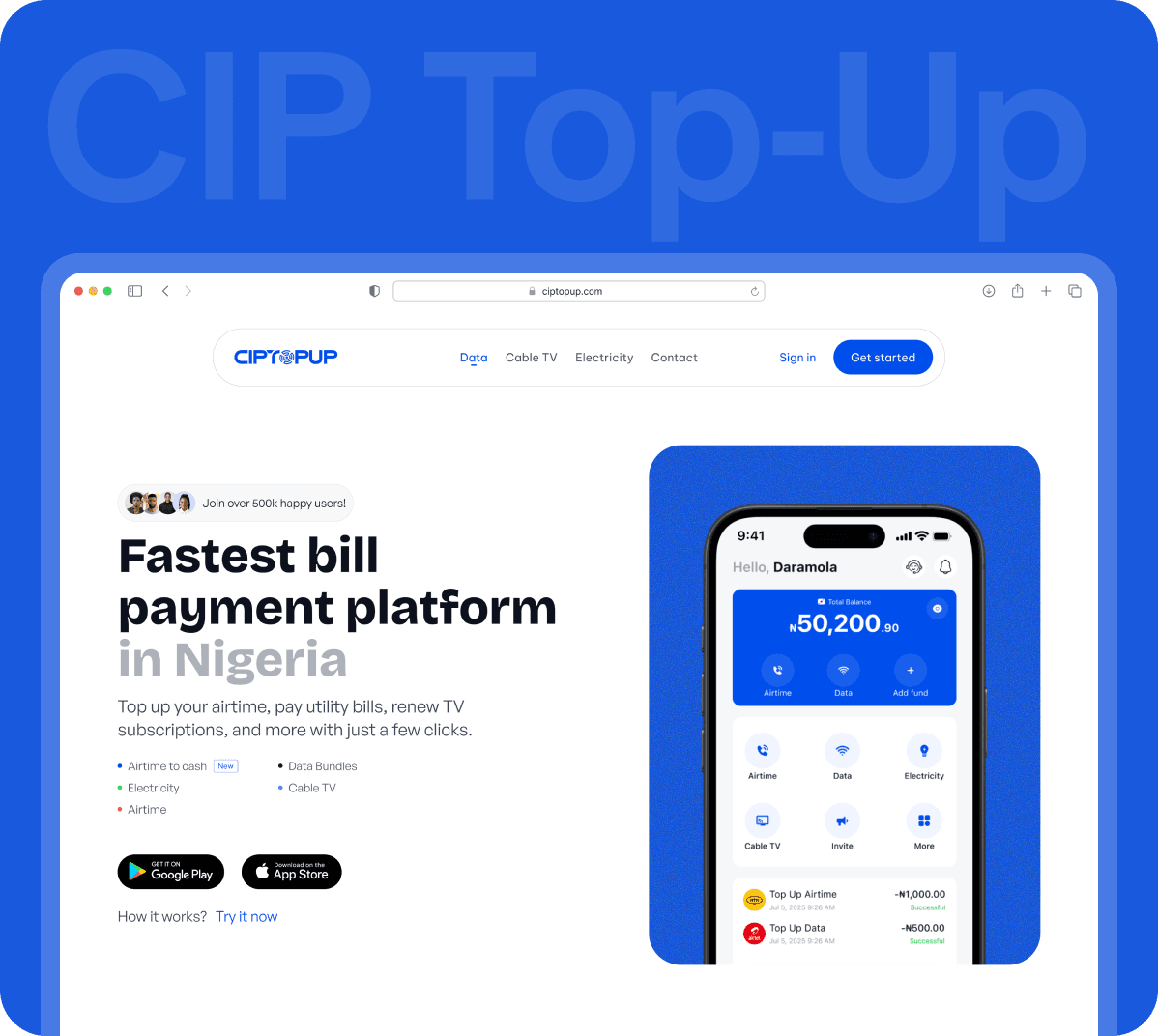
Marketplaces and stores where the money has to reconcile.
Questions store owners ask
The practical ones, answered before you ask.
How much does an e-commerce website cost in Nigeria?
eSales is our own platform, built from years of research on how Nigerians actually shop. It is free. Create your store in minutes and sell across website, WhatsApp, Telegram and Instagram. Assisted setup is ₦80,000. A separate fully custom platform of your own starts from ₦600,000.
Which e-commerce platform is best in Nigeria?
For most Nigerian vendors, eSales is the fastest way to start. It is our own platform, free to use, and sells across website, WhatsApp, Telegram and Instagram. Shopify or WooCommerce fit simple catalogues, and we build custom when you need variants and rules they cannot handle.
Will my store stay online during a flash sale?
Yes. We engineer for traffic spikes from Instagram, TikTok and ads, so the crowd can check out.
Which payment gateways do you support?
Paystack, Flutterwave, Bachs and bank transfer, Moniepoint POS in store, mobile money for Africa and Stripe for global buyers.
Can you handle variants and WhatsApp orders?
Yes. Whatever you sell, options are structured clearly and WhatsApp shares one stock source, so nothing oversells.
How long does it take, and where is it hosted?
Four to six weeks for a focused store. Hosting runs across proven cloud platforms like GCP, AWS and Cloudflare, with delivery and SEO set up.
Other things we build
Tell us what you are trying to run
We will look at how your online store works in your business and tell you what it would take, before anyone talks about a quote.