

A customer asked for your price. You sent it. Then silence.
Many wholesalers send one message and wait. If the buyer does not reply, they assume the price was rejected. Sometimes that is true. Often the buyer simply got busy, and your quote is now buried under twenty other chats.
A follow-up is not pressure. It is housekeeping. You are helping a busy person remember a decision they already started.
Give the customer a reason to reply
Nobody likes to be asked "so?" with no reason. A good follow-up carries something. Stock is running low. The price can hold until Friday. There is a delivery slot in their area this week.
Reason beats urgency. Fake deadlines get noticed, and they damage trust.
Keep it short
Three lines are enough. Say who you are, remind them what the quote was for, and ask one clear question.
Long messages look like you are begging. Short messages look like you are organised.

Space your follow-ups
Do not send five messages in one hour. A simple pattern is day one, then day three, then day seven. If the customer still does not answer, leave them alone. Add them to your list for the next genuine reason to reach out.

Sample follow-ups you can copy
After sending a quote:
"Good afternoon sir. I sent the quote for the cartons yesterday. Let me know if you need the price adjusted for a larger quantity."
After no response:
"Hello ma. Just checking if you saw the price I sent. I can reserve the stock for you till Friday if you are still interested."
For payment:
"Good morning. Your order is packed and ready. You can pay to the account details I sent, and I will share the dispatch time once it lands."
After a long silence:
"Good afternoon. It has been a while. Let me know if you need anything this month, and I will send current prices."
Notice that none of these messages ask for the sale in a desperate way. Each one gives information and an easy next step.
Remember who you are talking to
Follow-ups go wrong when the seller forgets the history. What did this buyer order last time? What did they complain about? What price did you promise?
If the customer has to remind you every time, they feel like a stranger. Keeping a simple record changes that. The next person on your team should be able to open the chat and see what happened before.
Know when to stop
Some quotes are simply a no. If a customer has ignored three polite follow-ups, stop chasing. Keep them on your list, keep the record, and let a real reason bring them back.
Our guide to keeping customers coming back covers what to do after the follow-up.
Make following up easier
Following up works best when you can see who is waiting, what they asked for, and when you last spoke. That is what we are building into eSales. The current beta gives sellers a Telegram storefront, order and delivery tracking, and an opted-in cart reminder, with WhatsApp follow-up automation in development.
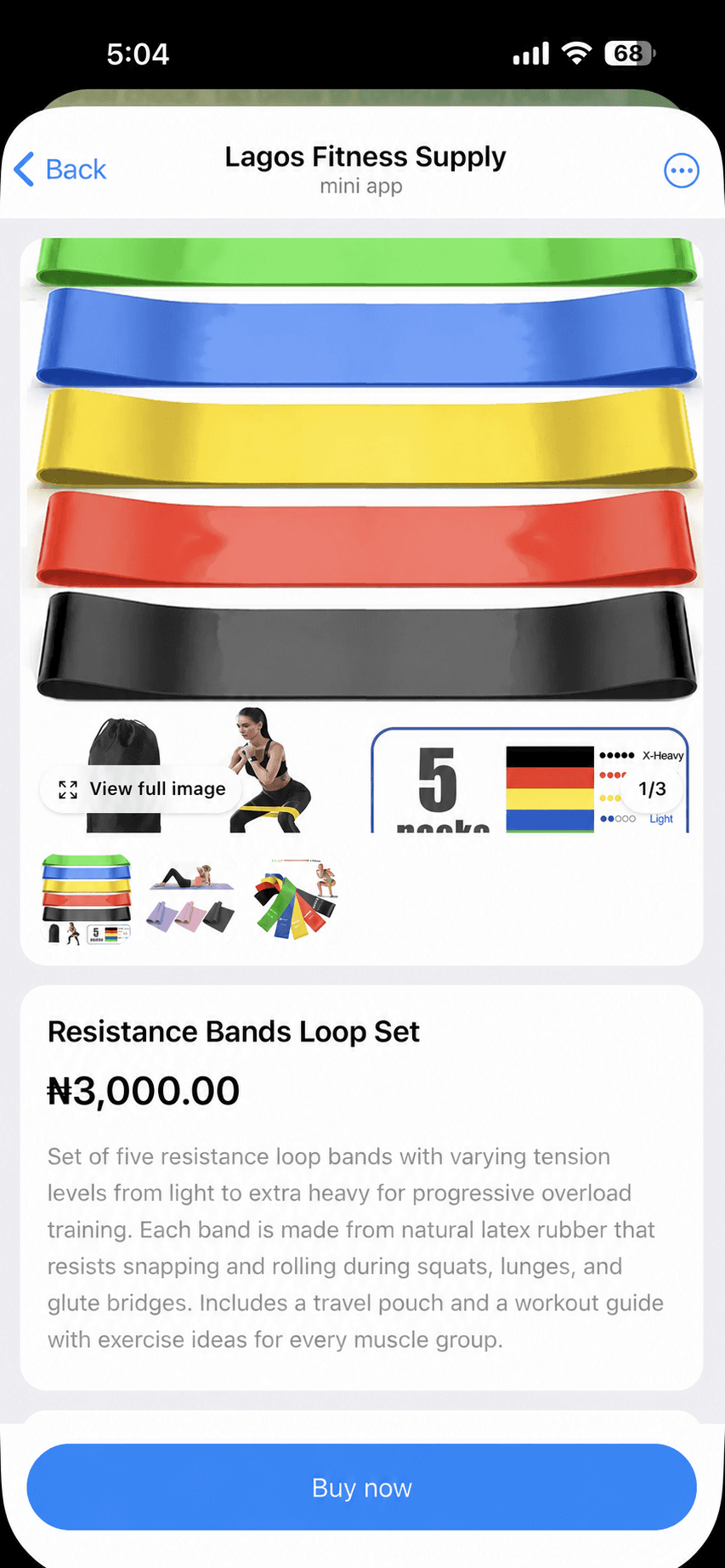
You can read more about the wider problem in our post on turning WhatsApp DMs into paid orders. Learn more at esales.ng.
Work with us
We design, build and automate the software Nigerian businesses grow on.
Stay in the loop
Get the latest updates and insights delivered to your inbox.
More like this
Virtual Assistant or Automation: What Should a Wholesaler Do First?
Both have a place. A simple way to split your messages, decide what to automate first, and keep your people for the work that needs judgement.
Read ArticleAbandoned Cart Reminder Messages That Bring Buyers Back
Why buyers stop before paying, when to send a reminder, and three templates you can copy. One reminder helps. Five gets you blocked.
Read Article