
A buyer chooses items, gets to the end, and disappears. It happens to every seller. Sometimes they got distracted. Sometimes the delivery fee surprised them. Sometimes payment was not clear.
A good reminder can bring some of those buyers back. A careless one can lose them for good.
Why buyers stop before paying
Before you write a reminder, know the likely reason the buyer stopped.
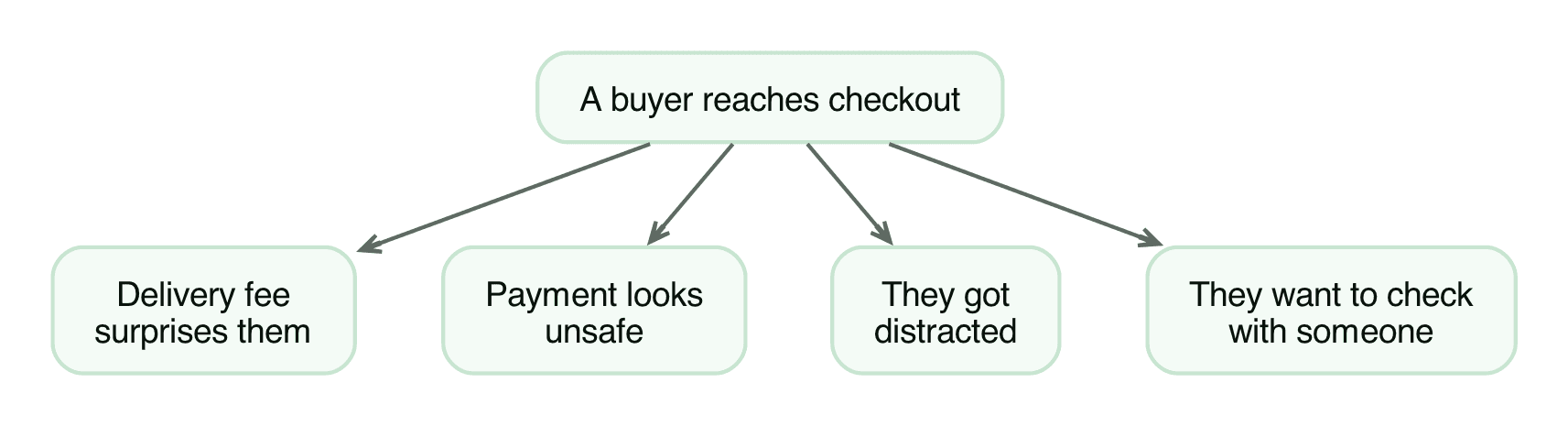
The common ones are simple. The delivery fee was higher than expected. They were not sure the payment is safe. They got a call or ran out of data. They wanted to check with someone else first.
A reminder should quietly answer these worries. A message that only shouts "you forgot to pay" solves nothing.
Send it once, not five times
One reminder is helpful. Five is harassment.
If the buyer does not return after a fair reminder, let them go. You can reach out later with a real reason, like a restock or a new price.
What a good reminder should include
A clear line that identifies the business. The items the buyer left, so they remember. The one step that completes the order. A short line on payment safety.
Nothing else. The longer the message, the lower the chance of a reply.
Three templates to copy
First reminder, a few hours later:
"Hello. You left 3 items in your cart at [Business Name]. Tap the link to finish your order. If you have questions about delivery or payment, reply here."
Second reminder, next day:
"Still holding your order at [Business Name]. Delivery to your area is confirmed. Finish your order here or reply if you want to change anything."
Buyer worried about payment:
"Payment is on our official checkout. You will get a receipt once it goes through. Reply here if anything looks wrong."
Give the buyer a real way back
The reminder is only as good as the link. If it sends the buyer to a confusing page where they must start again, they will not bother. The link should take them straight to the cart they left, with their items still there.
How long should you wait
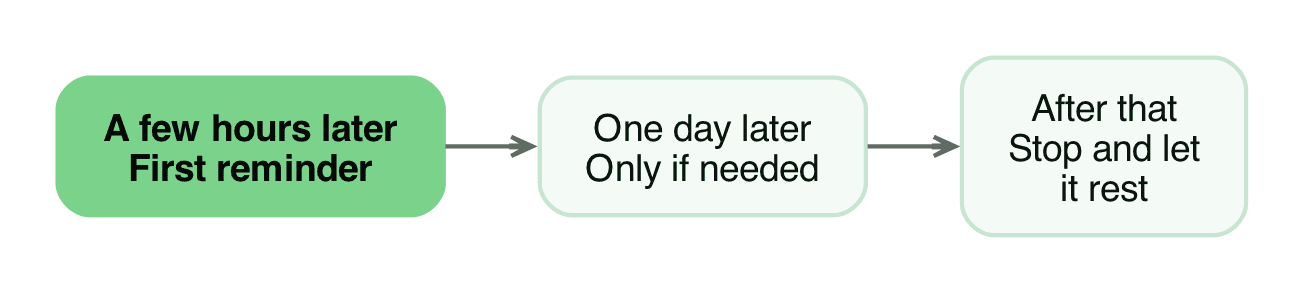
There is no perfect number, but a few hours is usually enough for someone who was simply interrupted. A buyer who stopped because of the delivery fee needs the fee answered, not another nudge. A buyer who stopped because payment looked unsafe needs reassurance.
After the first reminder, give it a day. If there is still nothing, stop. Chasing past that point costs you more than the order is worth.
Keep count of what works
A reminder is easy to send once you set it up. The useful part is knowing how many buyers come back. Track how many reminders went out and how many orders were completed after them.
Even a rough count will tell you whether your reminder is helping or just annoying people. If the number is low, change the wording or the timing before you blame the customer.
Get permission first
Do not message people who never interacted with your business. Send reminders only to buyers who started an order or agreed to hear from you. This keeps you within the rules and keeps customers from reporting you.
How eSales handles it
The eSales beta does this inside Telegram. When an opted-in shopper leaves items in a cart, the platform can send a reminder that shows the items and links back to the cart. It is one of the simplest ways to recover a sale without extra staff work.
If you want the bigger picture on retention, start with how to keep customers coming back. Learn more at esales.ng.
Work with us
We design, build and automate the software Nigerian businesses grow on.
Stay in the loop
Get the latest updates and insights delivered to your inbox.
More like this
Virtual Assistant or Automation: What Should a Wholesaler Do First?
Both have a place. A simple way to split your messages, decide what to automate first, and keep your people for the work that needs judgement.
Read ArticleHow to Follow Up With a Customer After a Quotation
A quote that gets no reply is not always a no. A simple follow-up cadence, plus sample messages you can copy without looking desperate.
Read Article